- Fast Booking ?
- +628154702777
- booking.baliatvride@gmail.com

The Addictive Extreme Bali ATV Quad Bike Adventure

Ready to Get Down & Dirty? The Bali ATV Tour You Can’t Miss!
September 7, 2026
No Limits, Just Adrenaline: Why Bali Quad Biking Hits Different
September 7, 2026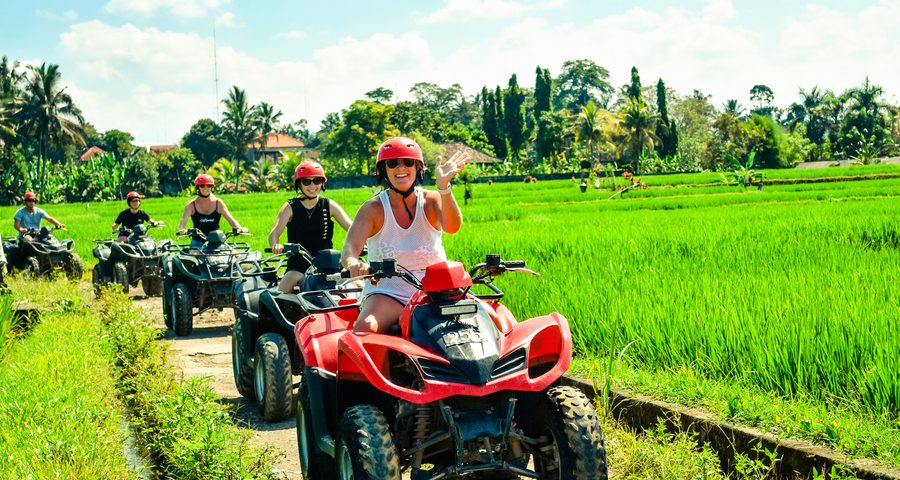
The Addictive Extreme Bali ATV Quad Bike Adventure
A Bali ATV Quad Bike adventure isn’t your typical beach day or temple tour. It’s the kind of activity that pulls you off the paved road and into the raw, textured side of the island—mud, roots, water, and all. For travelers who want to feel Bali rather than just look at it, this is where the trip starts to get interesting.
Quad biking has grown into one of the more sought-after outdoor activities in Bali precisely because it offers something most sightseeing itineraries don’t: movement, unpredictability, and a bit of controlled chaos. You’re not walking past the landscape—you’re riding through it.
What Makes a Bali ATV Quad Bike Adventure So Addictive?
There’s a particular feeling that comes with gripping the handlebars of an ATV for the first time, engine humming beneath you, guide waving you forward onto a dirt track. It’s part nerves, part excitement, and that combination tends to be what keeps riders coming back.
Unlike a scenic drive or a guided walk, a Bali ATV quad bike ride puts you in direct contact with the terrain. Every dip, incline, and patch of soft ground becomes something you actively navigate rather than passively observe. That sense of participation is often what separates an ATV adventure from more conventional Bali tourist activities.
What Can You Expect From a Bali ATV Quad Bike Ride?
Trail characteristics can vary depending on the operator and the specific route selected, but riders generally move through a mix of terrain rather than a single repetitive path. Depending on the route, this may include rice field trails, jungle sections, dirt tracks, and areas where the trail becomes noticeably rougher underfoot.
Rice Field and Village Trails
Early sections of many Bali ATV quad bike routes tend to pass through open rice terrace areas or small village roads. The pace here is usually more relaxed, giving riders a chance to get comfortable with the throttle and steering before the terrain becomes more demanding. It’s also often where the greenery and everyday rural scenery of Bali are most visible.
Jungle and Forest Trail
As the route pushes further, jungle or forest trail sections tend to introduce narrower paths, shade from tree canopy, and a noticeably different riding rhythm. Roots, uneven ground, and tighter turns are common in these stretches, which is where a rider’s attentiveness to the guide’s pace really matters.
River Crossings and Muddy Zones
Depending on the selected route, an extreme Bali ATV adventure may involve crossing shallow rivers or riding through muddy sections, particularly after rainfall. These are usually the moments riders remember most—engines revving through water, tires spinning briefly in soft mud, spray kicking up on either side. Trail conditions may vary depending on weather and operational conditions, so a muddy stretch on one day might be firmer and drier on another.
Waterfall and Cave Sections
Some Bali ATV jungle adventure routes are designed to pass near or through natural features such as waterfalls or tunnel-like cave sections, adding a distinct visual and sensory change to the ride. Since available routes can depend on weather and operational conditions, not every trip follows an identical path, and specific trail features may vary depending on the selected ATV route.
Hills, Slopes, and Off-Road Sections
Uphill climbs and downhill descents are a regular part of most quad bike jungle trails in Bali. These sections test both the rider’s control and the ATV’s traction, and they’re usually where guides pay closest attention, offering direction on speed and line choice before each climb or drop.

Is an Extreme Bali ATV Adventure Suitable for Beginners?
One of the more common questions from first-time visitors is whether they need prior experience. Generally, ATV tours in Bali are structured with a safety briefing beforehand, which covers the basic controls, hand signals, and how to respond to different trail conditions.
Riders typically follow a guide at a set pace, which helps beginners build confidence gradually rather than being thrown into the most difficult terrain right away. That said, an ATV ride still involves genuine physical engagement and unpredictable ground, so it helps to approach it with reasonable expectations rather than treating it as a passive activity.
Some operators offer both single ride and tandem ride options, allowing two people to share one ATV—useful for couples or riders who prefer not to control the vehicle solo. Availability of this option can depend on the specific tour package selected.
Why Safety Briefings and Guides Matter
A proper safety briefing isn’t a formality—it directly affects how the ride goes. Before starting, instructors typically walk riders through throttle control, braking, how to handle turns, and what to do when the trail gets slippery or steep.
Guides play an active role throughout the ride itself, not just at the start. They set the pace, signal upcoming hazards, and help riders adjust their approach when trail conditions shift, particularly on muddy or wet sections. Following their lead—rather than riding ahead or ignoring instructions—is one of the simplest ways to keep the experience both fun and manageable.
Standard safety equipment, such as a helmet, is generally provided and should be worn throughout the ride. Beyond gear, listening to the guide’s directions and maintaining a safe distance from the ATV ahead are basic habits that make a meaningful difference on uneven or narrow trails.
How Weather Affects the Trail
Trail conditions in Bali are not static. Rain can transform a firm dirt path into a slippery, mud-heavy stretch within hours, which changes how a rider needs to handle the throttle and steering. Riders should understand that a Bali ATV quad bike experience taken after heavy rain may feel noticeably different from one on a dry day—often more physically demanding, but also part of what makes the activity feel genuinely adventurous rather than staged.
Because of this variability, it’s worth asking the operator directly about current trail conditions if the timing of your trip coincides with Bali’s rainier months.
What Should You Prepare Before the Ride?
Being reasonably prepared can make the difference between an uncomfortable outing and a genuinely enjoyable one. Riders generally benefit from wearing clothing that can get dirty, closed shoes rather than sandals, and being mentally ready for a physically active couple of hours.
It also helps to arrive with realistic expectations about the terrain—an ATV trail is not a smooth, groomed path, and jolts, splashes, and the occasional stall are part of the experience rather than a flaw in it.
Why Choose an ATV Adventure Over a Beach Day?
Bali’s beaches are worth their reputation, but they represent only one side of what the island offers. A Bali ATV quad bike adventure gives travelers access to the rural interior—rice terraces, jungle, village roads—that a beach itinerary simply doesn’t reach.
For adventure seekers, first-time riders, couples, families with older kids, or groups of friends looking for a shared physical challenge, ATV riding offers a different kind of memory than lounging by the water. It’s less about relaxing scenery and more about active participation in it.
Final Thoughts
A Bali ATV quad bike adventure offers something genuinely different from the island’s more conventional attractions—an active, hands-on way to experience rice fields, jungle trails, and off-road terrain that shifts with the weather and the route. It’s not without its challenges, but that’s largely the point: the mud, the inclines, and the occasional splash through a river crossing are what make the ride memorable rather than routine.
Ready to take your Bali trip beyond the usual sightseeing? Explore the Bali ATV quad bike experience with BaliATVRide.online and discover an outdoor adventure that matches your travel style.
Frequently Asked Questions (FAQ)
What is a Bali ATV Quad Bike adventure?
It’s an off-road activity where riders drive all-terrain vehicles through varied Bali landscapes, which may include rice fields, jungle trails, and muddy sections, typically under the guidance of an instructor.
Is a Bali ATV Quad Bike suitable for beginners?
Yes, most tours include a safety briefing and guided pace designed to help first-time riders get comfortable before facing more challenging terrain. Experience level isn’t usually a barrier to joining.
What can you expect from a Bali ATV quad bike ride?
Expect a mix of terrain that can include open trails, jungle paths, river crossings, and muddy zones, depending on the selected route. Conditions can shift based on weather, so no two rides feel exactly identical.
What should you bring for a Bali ATV adventure?
Clothing you don’t mind getting dirty and closed-toe shoes are generally recommended. Basic safety equipment such as a helmet is typically provided by the operator.
Is an extreme Bali ATV adventure safe?
Like any outdoor off-road activity, it carries inherent physical risk, particularly on muddy or uneven terrain. Following the guide’s instructions and using provided safety equipment are essential parts of managing that risk responsibly.


